
Meet Our Team
Dedicated experts with a proven record of success

Chad Janowski
Executive Director
learning architect : curriculum design : education advisor
Chad started with the Einstein Project in March 2017. He spent 18 years in the classroom as a high school biology and environmental science instructor. He strives to make his passion for science and learning contagious. Chad has worked with the Professional Development Committee of the Wisconsin Society of Science Teachers (WSST), and was a founding member of the Science Futures Program which cultivates leadership and excellence in science instruction in Wisconsin. Chad received the Excellence in Science Education Award from WSST and in 2016, he was named Outstanding Biology Teacher of the Year by the National Association of Biology Teachers.
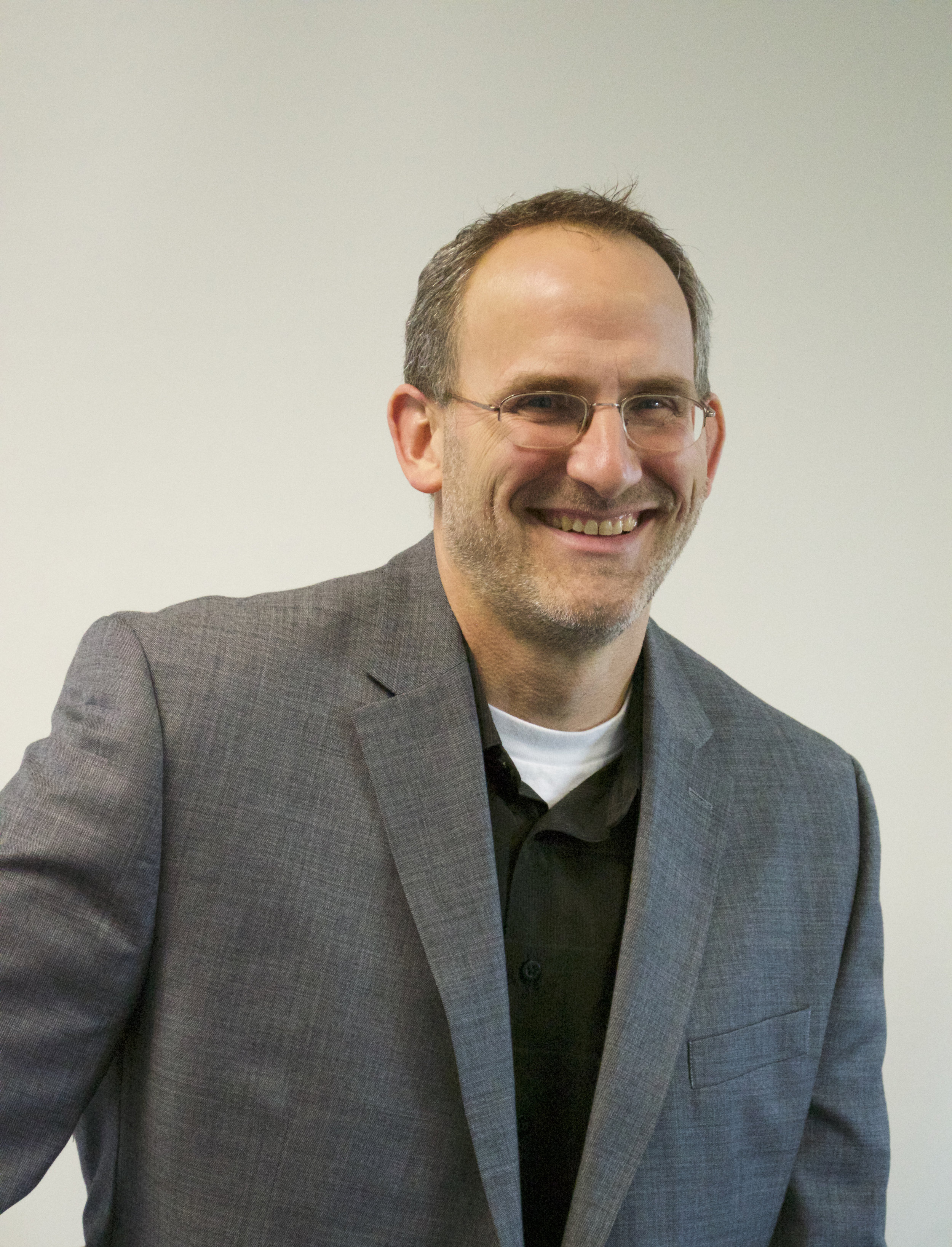
Dennis Rockhill
Makerspace Director
experience design : kit development : educator training
Dennis joined the Einstein Project team in Fall 2017. He spent three years co-founding, managing, and serving as the executive director of the nonprofit, Proto, Inc.; a youth-focused makerspace. From 1993-2015, Dennis held various technical, product development and design positions in the packaging industry with WS Packaging, Belmark, Inc., Kimberly-Clark Corp. and Wild Blue Technologies. He is an award-winning children's book author and illustrator and an alumni of UW-Green Bay with a degree in Graphic Design & Illustration.
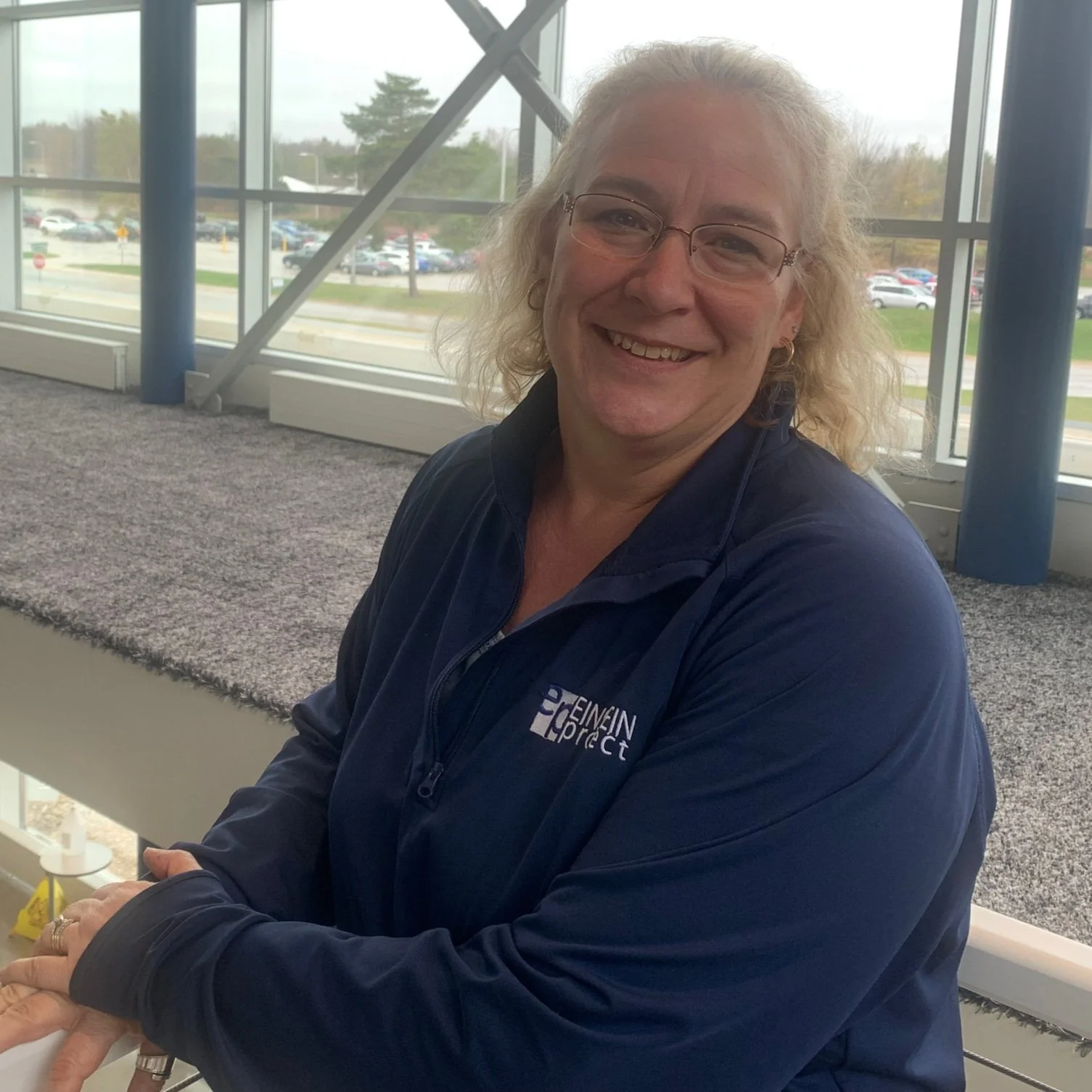
Kim Lemberger
Director of Learning
curriculum cultivator : professional learning : critter getter
As a classroom teacher for over 25 years, Kim's personal mission is to provide meaningful, hands-on, minds-on learning experiences for every child to empower them for their future. She has been a long-time supporter of the Einstein Project since attending her first academy in 1993. She has served as a unit trainer and specialist in science notebooking. Kim joined the Einstein Project team in June of 2017 after her career as a middle school teacher.

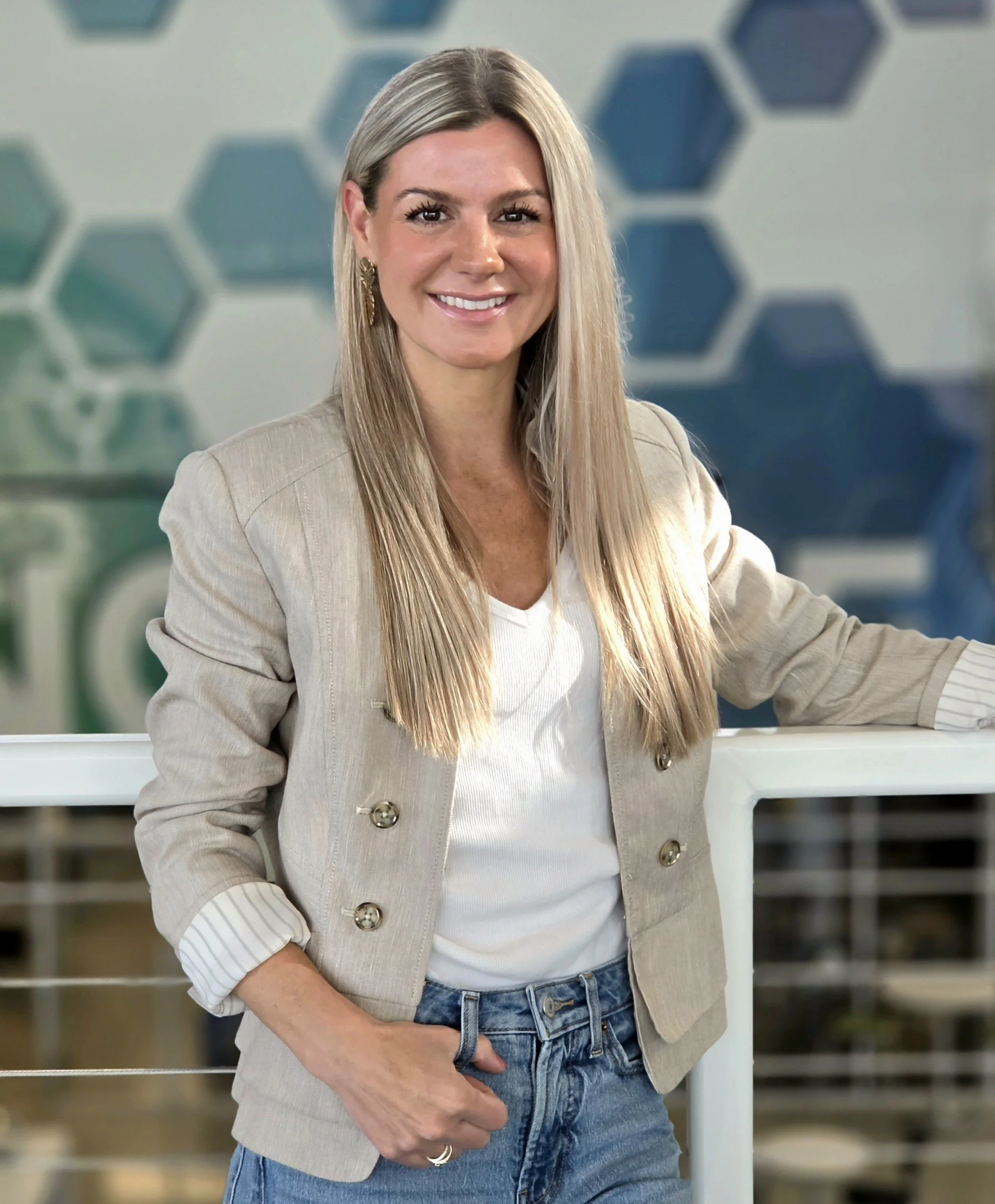
Jacob depas
Director of Development
community connector : donor relations : impact initiator
Jacob served as the Director of Development at his alma mater, UW-Green Bay, before moving over to Einstein Project in October of 2024. Jacob's efforts were dedicated to working with alumni, businesses, organizations, community leaders and foundations to secure private funding and partnerships to support university priorities. He was proud to be part of the team that helped bring the engineering school at UW-Green Bay to life and build Einstein Project’s new home, the Brown County STEM Innovation Center. He's honored to join the team at Einstein Project to continue to serve NE Wisconsin and beyond while advancing the mission and impact of the organization.
Kari Gale
Stem Engagement & Partnership Director solutionist : bridge builder : creativity champion
Kari earned a bachelor’s degree in meteorology from NIU and published research in climatology before beginning her career as a scientist on the Lower Fox River PCB remediation project in 2014. She later expanded her expertise in operations and networking before joining the Einstein Project in April 2026. She looks forward to combining her passion for science and community engagement to advance excellence in STEM education.

JOHNNY FROELICH
Warehouse Manager
curriculum management : professional learning provider
Johnny previously worked at the Einstein project from 2011-2018. We are excited to have him back as of April of 2025 as the warehouse manager. Johnny has spent his career in various warehouse management roles with large organizations throughout the county. He has a Bachelor's Degree in Kinesiology from UW-Milwaukee. Outside of work he' enjoys spending time outdoors with my family and traveling.

Andy Shamburek
Captain Number Cruncher
accountant : donor relations : quipster
Andy joined the Einstein Project in January, 2020. He graduated from UWGB in May, 1994 with a bachelor’s degree in accounting and has been working at various nonprofit and governmental organizations ever since. Andy is especially excited working at Einstein because Einstein brings much needed experience in the STEM areas to those who will be hopefully working in those areas in the future. Andy also is excited working with the cool Einstein team! Away from work he enjoys spending time with his family both at home and church, watching sports, and reading books.

Natalie Kitzinger
Warehouse Supervisor
quality control : warehouse staffing : special projects
Natalie has been with the Einstein Project on and off since 2017 and is a passionate professional supervising the warehouse crew. In her role, Natalie oversees the creation and distribution of hands-on science kits and materials, ensuring that they are accessible and impactful for students and teachers alike. Outside of her work at the Einstein Project, Natalie enjoys time with her kids, putting puzzles together, sudoku, reading and watching Badger Volleyball.

derek foytik
Production Ninja
materials management : receiving : shipping logistics
Derek has been with the Einstein Project since 2022. His background in shipping and receiving helps us coordinate our shipping schedule for getting all our kits out to schools on time. He enjoys the time on the road, and helping get students what they need to have a good foundation for STEM education. In his spare time, he travels the Midwest playing shows as the drummer of his band.

Lisa Olsen
Makerspace Educator
Lisa joined the Einstein Project in June 2023 after retiring from 33 years in the Green Bay Area Public Schools where she started as a teacher, then later became a Technology Integration and STEM Specialist. Lisa helped build many Makerspaces over her career and worked with Einstein science kits, so it was a very seamless transition to work with the Einstein Project in the Makerspace by leading professional development for teachers, and fostering a love of tinkering, 3D printing, and laser cutting to everyone who walks through the doors, no matter what age!

Becki Krueger
Makerspace Educator
Becki joined the Einstein Project team in June of 2023. Becki has been planting seeds to get adults and children excited about STEM as a Computer Skills Teacher, Technology Integration Coach, STEAM Club Coach, and Destination Imagination Coach for 30 years. She is excited to find a home at the Einstein Project with an awesome team. She especially loves introducing people of all ages to the wonderful creativity and STEM activities at the Einstein Project. She also works as a Gifted & Talented Coordinator in Kewaunee School District. In her time at home, she loves on her dogs and garden, when she is not off traveling the world.

Denise McFarlin
Mobile Makerspace Program Coordinator
event scheduler : experiential learning specialist : mentor motivator
With 39 years of teaching experience, educator Denise’s dedication and passion remains strong. As a 3rd and 4th grade teacher at Aldo Leopold in Green Bay, Denise engages her students in experiential learning attesting to its positive impact on students’ ability to retain knowledge and improve learning. Denise spends her summers in charge of Einstein’s mobile unit, promoting science kits by engaging young learners and community members at parks, libraries, and summer camps five to six days a week.